
Separation of Powers – Meaning, Principles and Importance
Understand separation of powers, its meaning, principles and importance in democracy, including how legislative, executive and judicial powers work. Separation
Understand separation of powers, its meaning, principles and importance in democracy, including how legislative, executive and judicial powers work. Separation
Explore parliamentary and presidential governments, their key features, differences, advantages and disadvantages, with examples from different countries. Parliamentary and Presidential
Explore federal and unitary systems of government, their key features, differences, advantages and examples, including India’s federal structure. Federal and

Understand rigid and flexible constitutions, their key features, differences, advantages, disadvantages and examples from around the world. Rigid and Flexible
Explore written and unwritten constitutions, their features, examples, advantages and key differences in structure, flexibility and governance. Written and Unwritten
Explore constitutionalism, its meaning, core principles and importance in ensuring limited government, rule of law, democracy and citizens rights. Constitutionalism
Understand the meaning, types, key features and importance of a constitution, the foundation of government, citizens rights and constitutional rule.
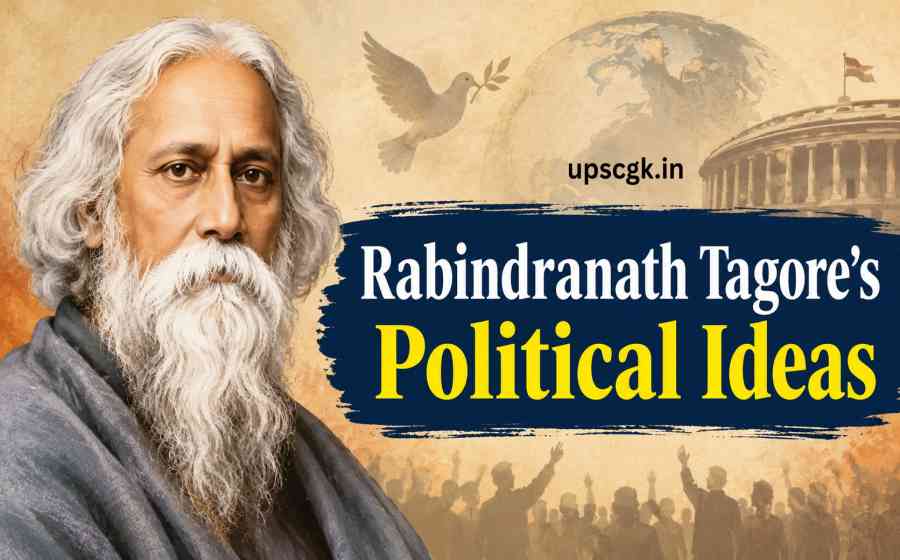
Explore Rabindranath Tagores political ideas on nationalism, freedom and humanism and his vision of a society rooted in reason, dignity
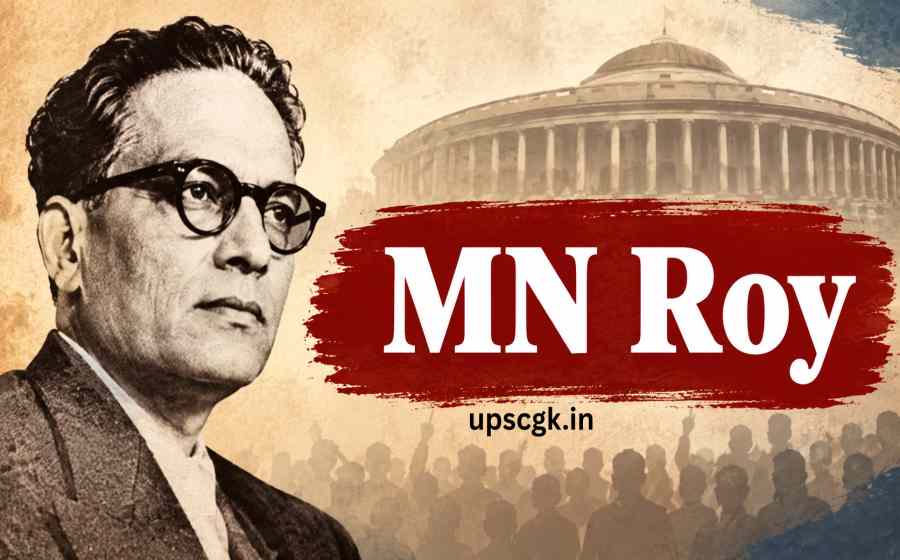
Discover MN Roy’s Radical Humanism, political ideas and journey from Marxism to individual freedom, rationalism, ethical values and radical democracy
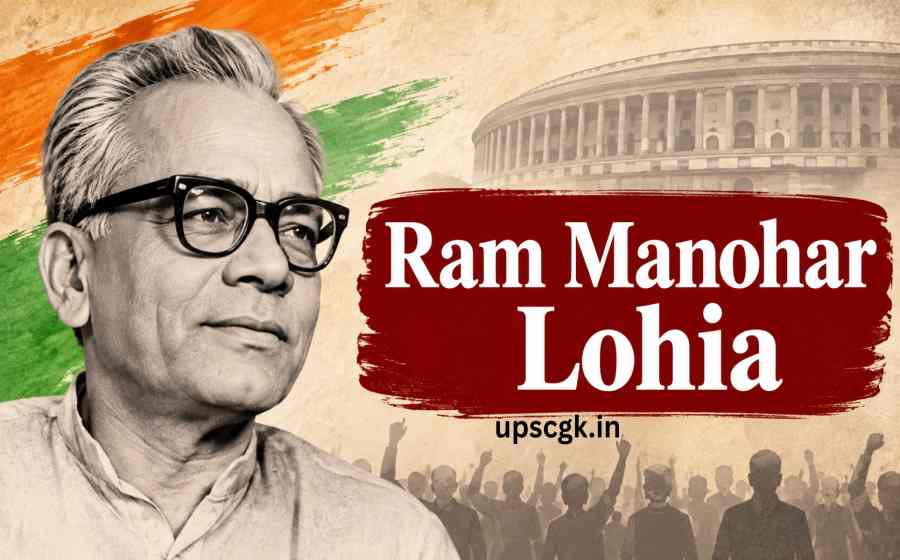
Explore Ram Manohar Lohia’s ideas on socialism, democracy and social justice and his contribution to shaping modern Indian political thought.